
Ah, dear readers, let’s talk about left-handedness shall we? Left-handedness has long been a subject of curiosity, fascination, and sometimes, even superstition. About 10% of the world’s population is left-handed, a minority that has inspired myths, scientific studies, and cultural perceptions throughout history. From being considered magical to sinister (the word “sinister” itself comes from the Latin for “left”), left-handed people have been both revered and misunderstood. In this blog post, we’ll explore the secret world of left-handed individuals, their unique characteristics, and how they navigate a predominantly right-handed world. 1. The Myths Surrounding Left-Handedness In various cultures, left-handedness has been associated with mystical powers or even malevolence. In medieval Europe, left-handed people were often suspected of witchcraft. In contrast, some Native American tribes believed that left-handers had special healing abilities. 2. The Science Behind Left-Handedness While the cause of left-handedness is still not fully understood, genetics certainly play a […]
creativity

Greetings, dear reader, Today, we embark on an exploration of a remarkable neurodevelopmental condition, Attention-Deficit/Hyperactivity Disorder (ADHD). A condition that, like the many threads in a complex tapestry, weaves a unique pattern of behavior and cognition, creating a rich and varied landscape in the minds of those who experience it. ADHD, commonly characterized by symptoms of inattention, hyperactivity, and impulsivity, affects both children and adults. Yet, beneath these symptoms, lies a nuanced spectrum of cognitive and behavioral diversities that often go unnoticed or misunderstood. The term ‘Attention-Deficit’ can be somewhat misleading, for it is not a lack of attention that marks this condition, but rather, an inconsistent application of it. People with ADHD might find it challenging to focus on tasks they perceive as mundane or unstimulating, yet can exhibit an extraordinary level of focus, often termed ‘hyperfocus,’ on activities that ignite their interest. This paradoxical behavior, while perplexing to […]

Gather ’round, my fellow seekers of the humorous and unexpected, as we dive headfirst into the exhilarating, sometimes chaotic, and always entertaining world of improv comedy. Improv, short for improvisational theater, is a form of live theater where the plot, characters, and dialogue are created spontaneously in the moment, often guided by audience suggestions. One could argue that it’s comedy in its purest form, driven by a unique blend of quick thinking, teamwork, and a hefty dose of audacity. The origins of improv trace back to the Atellan Farce of ancient Roman times, where actors created scenes based on stock characters and plotlines. But the birth of modern improv can largely be credited to a woman named Viola Spolin. In the mid-20th century, she developed theater games to help actors develop spontaneity, creativity, and collaboration – principles that remain at the heart of improv today. Her son, Paul Sills, went […]
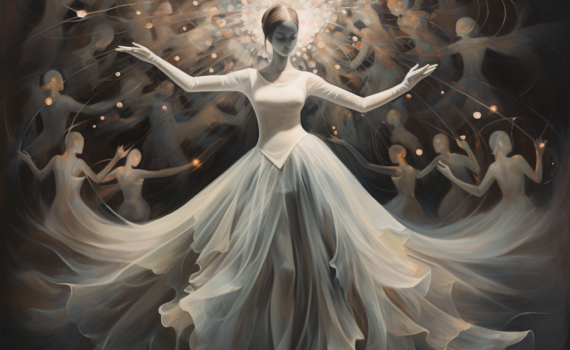
Greetings, illustrious seekers of wisdom and curiosity! Today, I, Percival Q. Higginbottom, shall be your most humble guide through the alluring tapestries of philosophical contemplation. As we navigate the hallowed halls of human thought, I present you with a question: “Can we ever truly know anything with absolute certainty?” Ah, my dear friends, let us delve into the beguiling ballet of uncertainty and embrace the ambiguity in thought. The Prelude: The Charm of Uncertainty The charm of uncertainty lies in its nebulous embrace; it surrounds us like a delicate mist on a crisp autumn morning. When we accept that not all questions have clear-cut answers, we permit ourselves to dance in this mist, partaking in a waltz that twirls and swirls to the tunes of inquisitiveness. The First Movement: The Socratic Tradition Our ballet takes its first steps with Socrates, the venerable Athenian philosopher. His philosophical method, famously known as […]

Howdy, art and music enthusiasts! Many a time, in my meanderings through life, I have wondered: can a vibrant painting sing? Can a symphony paint a picture? Today, we venture into the fascinating realm of synesthesia and the entwining relationship between art and music. In this journey, we look back to the ancient Greeks who, in their characteristic wisdom, saw music and the visual arts as inseparable sisters among the Muses. Fast-forward to the modern age, and we see this connection living on in Kandinsky’s ‘Color Studies,’ where he likened painting to orchestrating a symphony, with every color producing a unique sound in the viewer’s mind. Our exploration takes us further into the intriguing concept of synesthesia, a neurological condition where stimulation of one sensory pathway leads to automatic, involuntary experiences in a second sensory pathway. The great Russian composer Alexander Scriabin, a synesthete himself, created symphonies that were a […]
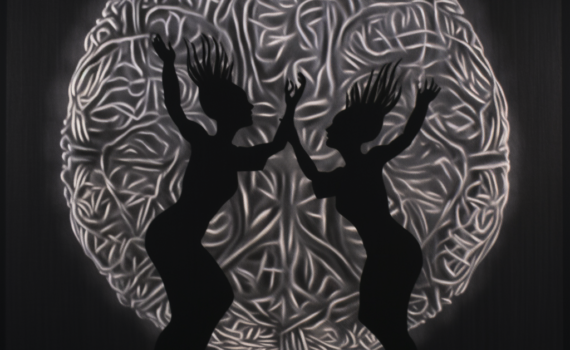
The human mind has been described as an iceberg, with only a fraction of its operations visible above the surface of conscious awareness. Two of the most fascinating aspects of this submerged expanse are intuition and logic—two sides of the same cognitive coin. It’s an age-old dichotomy that has occupied the thoughts of psychologists, philosophers, and curious minds alike. In this blog post, I, your amiable host Percival Q. Higginbottom, will tread lightly but curiously into the intriguing dance of intuition and logic. Intuition, that mysterious gut feeling, that sixth sense, is a form of knowing that appears to bypass the rigorous procedures of logic and reason. It’s the hunch, the inexplicable certainty, the instantaneous recognition of a pattern before it fully forms. It’s a form of cognition that seems to spring from the deep, hidden realms of our unconscious mind, popping up in our consciousness like an unexpected, yet […]

Greetings, my perceptive readers! It’s your loyal wordsmith and seeker of curiosities, Percival Q. Higginbottom, here to guide you through another maze of marvelous minutiae. Today, we’re venturing into the intriguing universe of pangrams – those remarkable sentences that manage to pack every single letter of the alphabet into their concise yet expressive confines. Are you familiar with the sentence, “The quick brown fox jumps over the lazy dog”? This, dear reader, is perhaps the most famous pangram of them all, often used to display typefaces and practice handwriting. But there’s a world of other equally intriguing pangrams out there, each with its own unique charm. Consider, for instance, “Pack my box with five dozen liquor jugs.” This cheeky phrase, a mere 31 letters long, is a model of efficiency, using the fewest possible words to include every letter of the alphabet. Or how about the whimsically bizarre “How vexingly […]
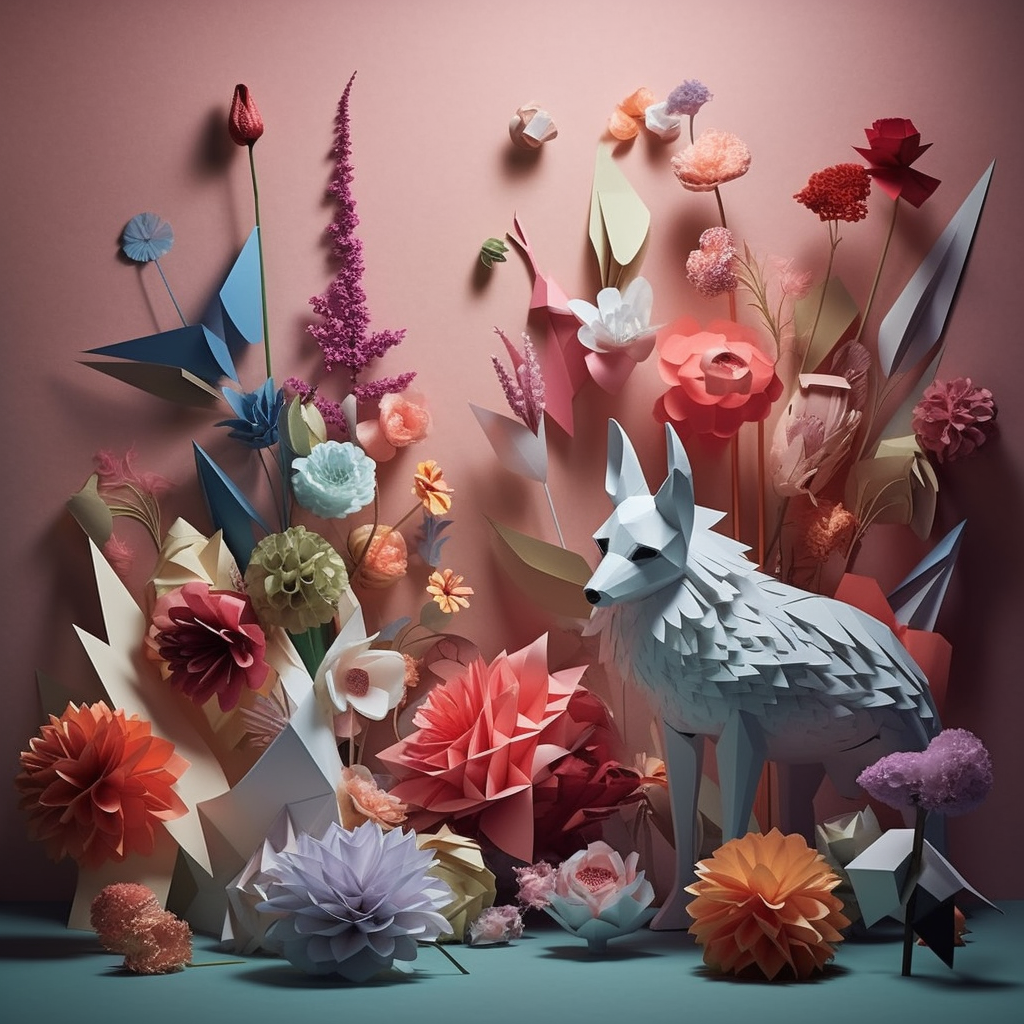
Greetings, dear readers! In this enthralling installment of our quizzical chronicles, we shall delve into the captivating world of origami, the ancient Japanese art of paper folding. A minimalist art form that celebrates the beauty of simplicity, origami transforms a humble sheet of paper into a dazzling array of shapes, creatures, and objects, limited only by the imagination of the artist. The origins of origami can be traced back to the 6th century, when Buddhist monks brought papermaking to Japan. Over the centuries, the practice evolved into an exquisite art form, influenced by the Japanese reverence for nature and the principle of “wabi-sabi,” which finds beauty in the imperfect and transient aspects of life. In recent years, origami has garnered worldwide attention, not only for its aesthetic appeal but also for its potential to inspire mindfulness, creativity, and a deeper appreciation for the world around us. The act of folding […]