
Greetings, distinguished seekers of intrigue and knowledge! Percival Q. Higginbottom at your service once again. This fine day, I present to you a journey that shall make your spirits soar and your minds wander, as we venture through the corridors of time with the mesmerizing hourglass as our talisman. A vessel of both the ethereal and the tangible, the hourglass has measured time with grace and poise, never missing a beat, nor a grain. Ah, the hourglass – a symbol, an instrument, a relic. Its elegant form, two bulbs connected by a slender neck, has enchanted civilizations since its birth in the 8th century. The steady trickle of sand, each grain a fleeting second, is a poignant reminder of the relentless march of time. As legend has it, the first known hourglass was aboard a ship navigating the unfathomable oceans. Mariners were in constant battle with the capricious tides, and […]
art
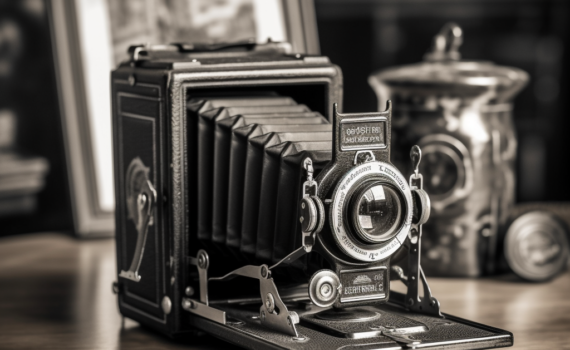
From where I sit, there’s a fascinating play of light and shadow outside my window, the late afternoon sun painting intricate patterns on the landscape. If only there were a way to capture this fleeting moment, to freeze time in its tracks. And then I remember – we’ve done it, haven’t we? We’ve mastered the art of trapping time, of painting with light and shadows. The art I’m referring to is photography. The origins of photography can be traced back to the ancient concept of the camera obscura – a darkened room with a small hole that projected the outside world onto the opposite wall. However, it wasn’t until 1827 that French inventor Joseph Nicéphore Niépce captured the first permanent photograph, or ‘heliograph’, as he called it. This crude image required an exposure of eight hours, was far from the sharp, vivid pictures we’re accustomed to today. The photographic process […]

Howdy, art and music enthusiasts! Many a time, in my meanderings through life, I have wondered: can a vibrant painting sing? Can a symphony paint a picture? Today, we venture into the fascinating realm of synesthesia and the entwining relationship between art and music. In this journey, we look back to the ancient Greeks who, in their characteristic wisdom, saw music and the visual arts as inseparable sisters among the Muses. Fast-forward to the modern age, and we see this connection living on in Kandinsky’s ‘Color Studies,’ where he likened painting to orchestrating a symphony, with every color producing a unique sound in the viewer’s mind. Our exploration takes us further into the intriguing concept of synesthesia, a neurological condition where stimulation of one sensory pathway leads to automatic, involuntary experiences in a second sensory pathway. The great Russian composer Alexander Scriabin, a synesthete himself, created symphonies that were a […]

Greetings, my discerning friends, In our constant pursuit of knowledge and understanding, we often find ourselves focusing on the tangible, the concrete, the visible. The lines and colors, the strokes and textures, these are the elements that catch our attention when we stand before a piece of art. But today, let’s shift our perspective and embrace the intangible, the unseen, the void. Today, let’s delve into the world of ‘negative space’. Negative space, in art, refers to the area around and between the subject of an image. Often overlooked, it is the silent partner to the object, or positive space, in the dance of composition. It may seem counterintuitive, but the space that is ’empty’ is as crucial as the space that is filled. Why, you may ask? Because the negative space defines and enhances the positive space. It shapes the object, provides context, guides our eyes, and creates balance. […]
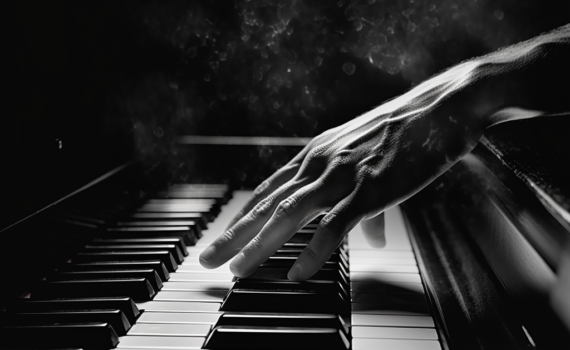
There’s a song for every mood, every occasion, and every heart. Have you ever wondered why a particular melody can bring a tear to your eye or a smile to your face? Why a certain rhythm can make your heart race or soothe your troubled mind? The connection between music and emotions is a fascinating orchestra of psychology, neurobiology, culture, and personal experience. Music, in its diverse forms, is a universal language of emotion. It transcends boundaries of culture, language, and time, tapping into our most primal emotional states. It has been a part of human society for millennia, serving as a means of communication, a form of expression, and a tool for social bonding. The science behind this emotional response to music is as intriguing as the phenomenon itself. Neurobiological research suggests that our brains are wired to associate music with emotions. When we listen to music, specific areas […]
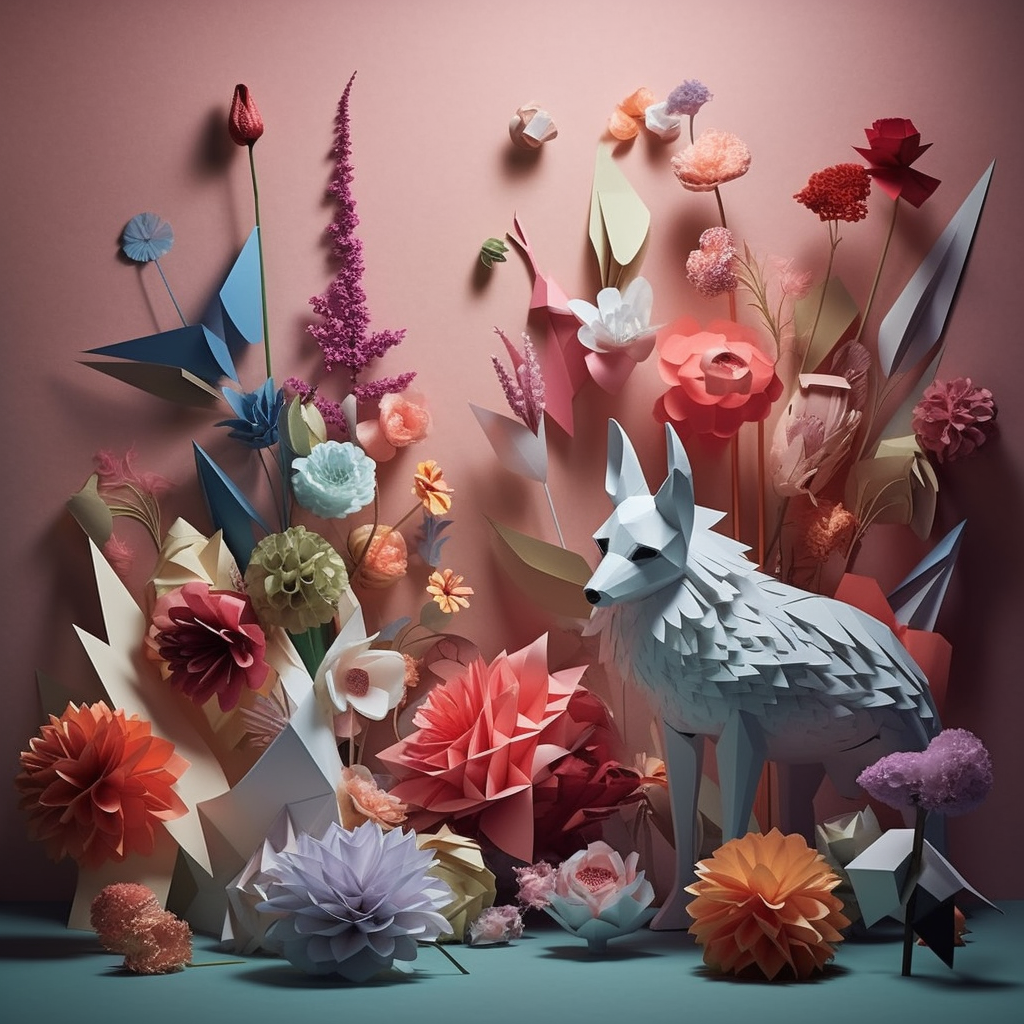
Greetings, dear readers! In this enthralling installment of our quizzical chronicles, we shall delve into the captivating world of origami, the ancient Japanese art of paper folding. A minimalist art form that celebrates the beauty of simplicity, origami transforms a humble sheet of paper into a dazzling array of shapes, creatures, and objects, limited only by the imagination of the artist. The origins of origami can be traced back to the 6th century, when Buddhist monks brought papermaking to Japan. Over the centuries, the practice evolved into an exquisite art form, influenced by the Japanese reverence for nature and the principle of “wabi-sabi,” which finds beauty in the imperfect and transient aspects of life. In recent years, origami has garnered worldwide attention, not only for its aesthetic appeal but also for its potential to inspire mindfulness, creativity, and a deeper appreciation for the world around us. The act of folding […]